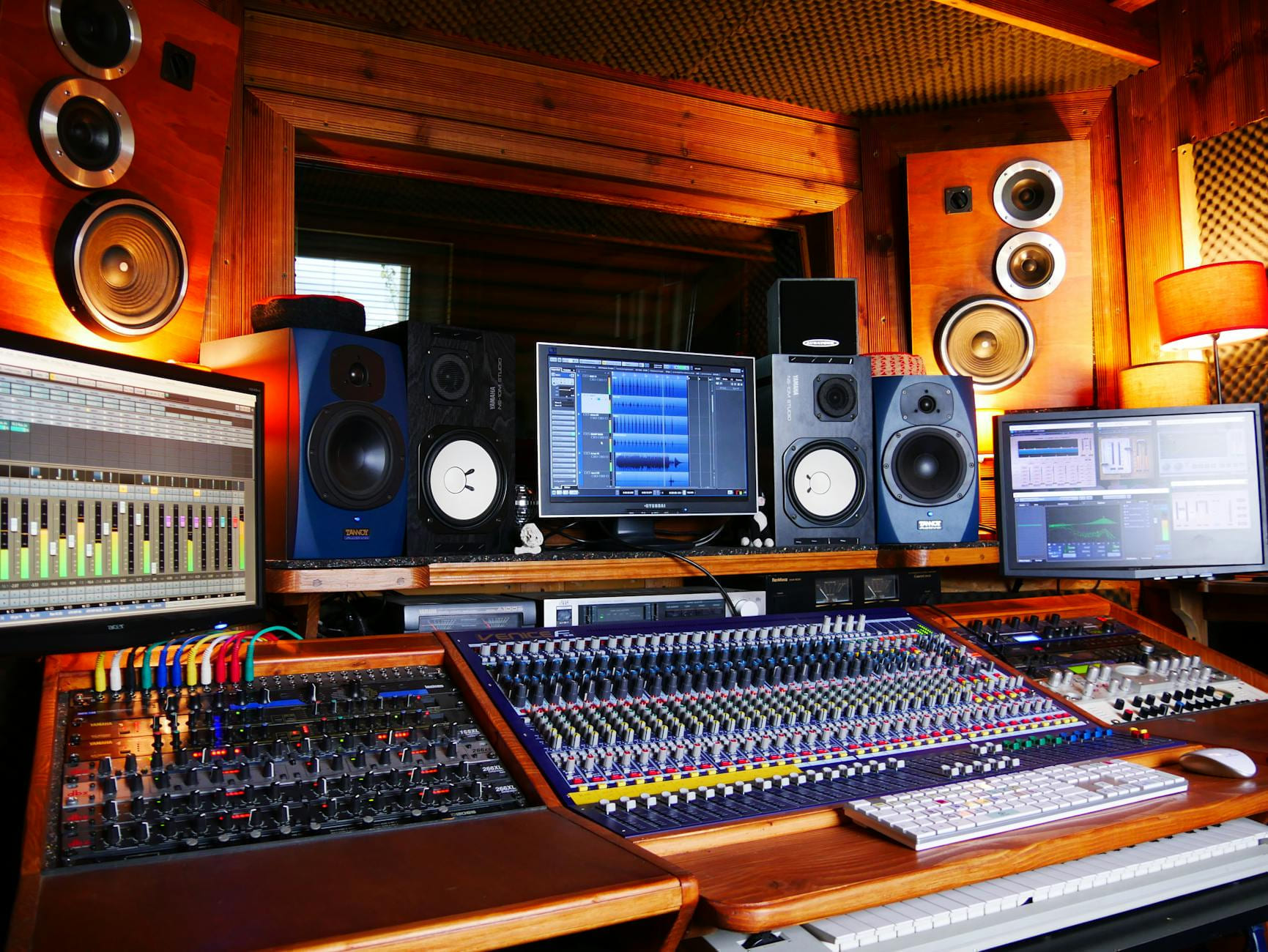
What’s New ? can be easier to approach when you start with a few practical basics. Welcome back to The Tech Shelf! It’s April 2026, and the audio landscape has shifted dramatically in the last few years. What was cutting-edge in 2023 feels almost quaint now. Staying ahead of the curve isn’t just about owning the newest gadget; it’s about understanding how audio is being experienced and integrated into our lives. This checklist breaks down the key trends you need to know about, offering practical insights and helping you make informed decisions about your audio investments. Let’s dive in!
1. Spatial Audio: Beyond Headphones (What’s New ?)
Spatial audio, once primarily a headphone feature, is now everywhere. Remember the early days of Dolby Atmos for Home Theater? It’s evolved. Now, we’re seeing true object-based audio becoming standard in streaming services like StellarStream and SonicVerse. This isn’t just about height channels; it’s about pinpointing sounds within a 3D space - a bird chirping above you, a car passing by to your left, all feeling incredibly realistic.
Practical Example: I recently upgraded my living room speakers with the new NovaSound Pro system. The initial setup was surprisingly easy, thanks to the integrated spatial audio calibration. Suddenly, movie soundtracks felt genuinely immersive, and even casual music listening had a new dimension. The system automatically adjusts the soundstage based on the room's acoustics, a huge improvement over traditional stereo.
What to look for: Systems that support Dolby Atmos, DTS:X, and, increasingly, proprietary spatial audio formats from streaming services. Room correction software is also crucial for optimal performance. Don’t underestimate the importance of good placement - even the best system won’t sound great if it’s crammed into a corner.
2. Adaptive Audio - Personalized Soundscapes
Forget static EQ settings. Adaptive audio is the future of personalized listening. These systems, powered by AI, learn your hearing profile, your environment, and even your activity to dynamically adjust the audio output in real-time. Think noise-canceling headphones that automatically boost the volume of speech in a crowded cafe, or earbuds that subtly shift the frequency response when you’re exercising.
Practical Example: My daily commute is drastically different thanks to my ‘Aura’ earbuds. They analyze my surroundings - traffic noise, train announcements, conversations - and intelligently filter out distractions while prioritizing clarity for my podcast. I’ve noticed a significant reduction in listening fatigue, and I can actually hear details in my music I’d previously missed.
What to look for: Headphones and earbuds with built-in AI processors. Look for features like ‘Context Aware Audio’ or ‘Adaptive Soundstage’. While the technology is still maturing, the improvements are already noticeable.
3. The Rise of Modular Audio Systems
The traditional ‘buy it all at once’ approach to audio is fading. Modular systems, like the popular ‘SoundForge’ ecosystem, are gaining traction. These systems allow you to build a customized audio setup piece by piece, choosing the components that best suit your needs and budget. You start with a core hub, then add speakers, amplifiers, and even specialized modules for specific applications - like a dedicated ‘Gaming Mode’ with enhanced bass and directional audio.
Practical Example: My friend recently invested in a SoundForge system. He started with the base hub, a pair of bookshelf speakers, and an amplifier. Now, he’s added a ‘Studio Mode’ module for recording music and a ‘Home Theater’ module for immersive movie watching. It’s a flexible and cost-effective way to upgrade your audio over time.
What to look for: Systems with open APIs and compatibility with a wide range of accessories. Consider the long-term cost of expansion - modular systems can be surprisingly affordable in the long run.
4. Immersive Audio Beyond Home Theater - Automotive and Wearables
Spatial audio isn’t just for the living room anymore. Automotive manufacturers are aggressively integrating immersive audio systems into their vehicles, creating a truly engaging driving experience. And wearables - particularly smartwatches and fitness trackers - are starting to incorporate bone conduction audio for discreet and comfortable listening.
Practical Example: I recently test-drove a new ‘Volt’ electric car, and the integrated audio system was phenomenal. The soundstage felt incredibly wide and detailed, and the directional audio made it easy to pinpoint the location of sounds in the car. It completely transformed my commute.
What to look for: Cars with advanced audio processing capabilities. Wearables with high-quality bone conduction drivers - prioritize comfort and sound clarity over volume.
5. The Continued Evolution of Wireless Audio - Mesh Networking
Bluetooth 6 is now the standard, offering significantly improved range, speed, and power efficiency. But the real game-changer is mesh networking. Instead of relying on a single Bluetooth receiver, mesh systems use multiple nodes to create a seamless, whole-home audio network. This eliminates dropouts, improves audio quality, and allows you to control your audio system from anywhere in your house.
Practical Example: My family uses a ‘SoundWeave’ mesh system. We can stream music to any speaker in the house without interruption, and the app allows us to control the volume and playback from our phones. It’s incredibly convenient and reliable.
What to look for: Systems with multiple nodes and robust security features. Look for compatibility with popular streaming services and voice assistants.
6. AI-Powered Audio Restoration and Enhancement
Remember the days of cassette tapes and vinyl records? While those formats are experiencing a resurgence, the need for audio restoration is still prevalent. AI is now being used to automatically clean up noisy recordings, remove hiss and hum, and even enhance the clarity and dynamic range of older audio files. This technology is also being applied to live recordings, improving the sound quality of concerts and performances.
Practical Example: I recently used a ‘SonicRevive’ AI tool to restore a collection of old family recordings. The results were astonishing - the recordings were now clear and vibrant, and I could finally hear the details I’d missed for years.
What to look for: Software and online services offering AI-powered audio restoration. Many streaming services are also incorporating AI to improve audio quality.
Keep This Practical
A better audio setup does not always require a dramatic upgrade. One thoughtful change in fit, placement, or device choice can improve the experience more than chasing the newest feature.
Tools Worth A Look
The recommendations here fit readers who want audio gear that works well in real listening situations, not just on a specs page.
- DDMALL H.265 H.264 HDMI Video Encoder, Mini 1080P Hardware 2K Encoder for Live BroadcastingConsumer Behavior Essentials You Always Wanted To Know (Self-Learning Management Series)Cool: How the Brain’s Hidden Quest for Cool Drives Our Economy and Shapes Our WorldTech-Powered Sales: Achieve Superhuman Sales SkillsLegend in Marketing
Some of the links on this page are Amazon affiliate links, which means I may earn a small commission if you make a purchase through them. As an Amazon Associate, I earn from qualifying purchases.
Related ReadingMore from The Tech Shelf

Tech Made Easy: Starting Points
is easier to make sense of when you break it down into the part that matters most first. Instead of chasing every option at once, it usually helps to focus on what.
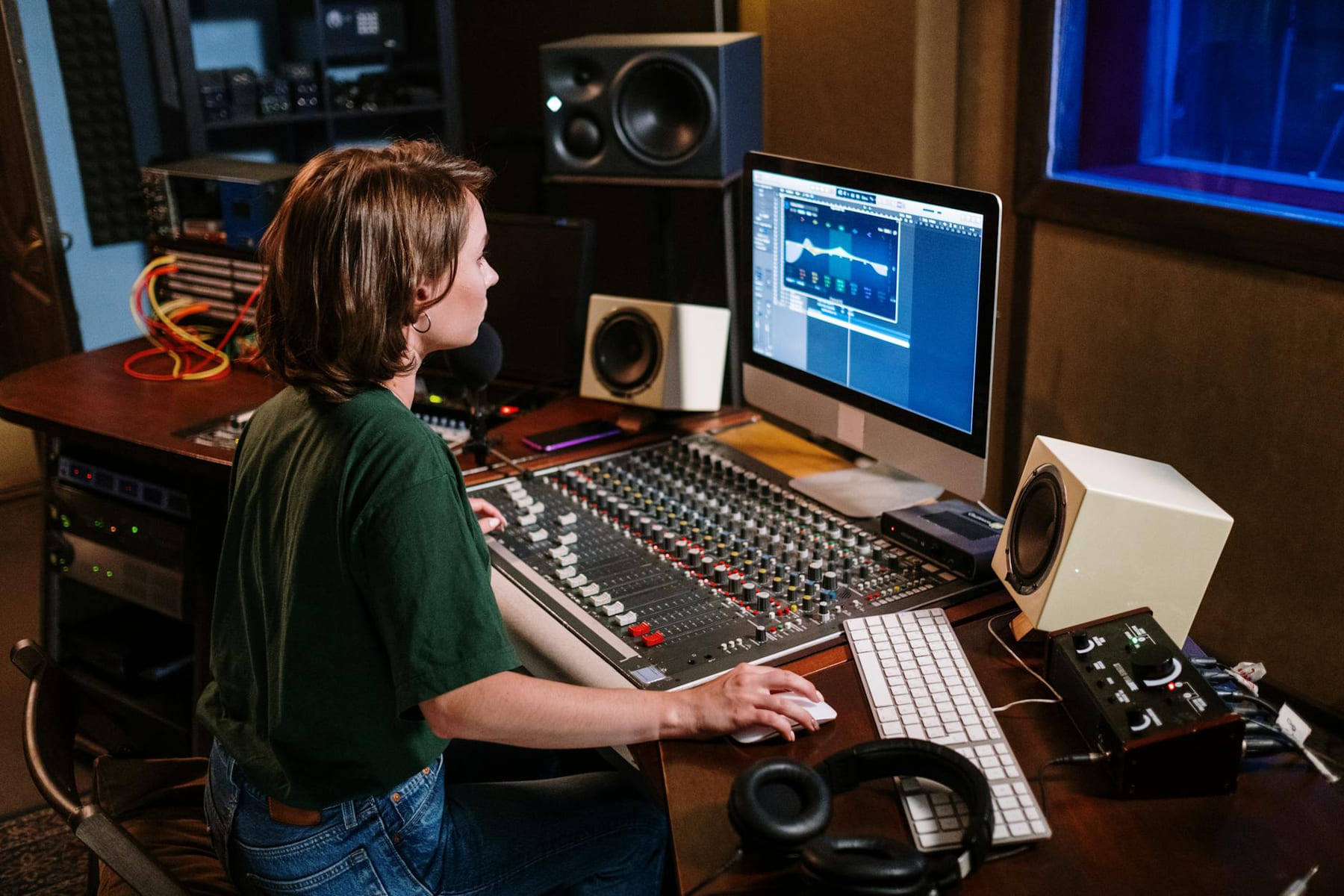
Audio’s Next Wave: What’s Changing Now
s Next Wave: What can be easier to approach when you start with a few practical basics. Spatial audio has moved far beyond just a buzzword. It’s now a core feature.

Audio Trends: Avoiding Common Pitfalls
Audio Tech Trends Mistakes to Avoid - The Tech Shelf Audio Tech Trends Mistakes to Avoid - Don’t Let the Hype Hurt Your Ears 1. The Codec Conundrum: Don’t Get Lost.