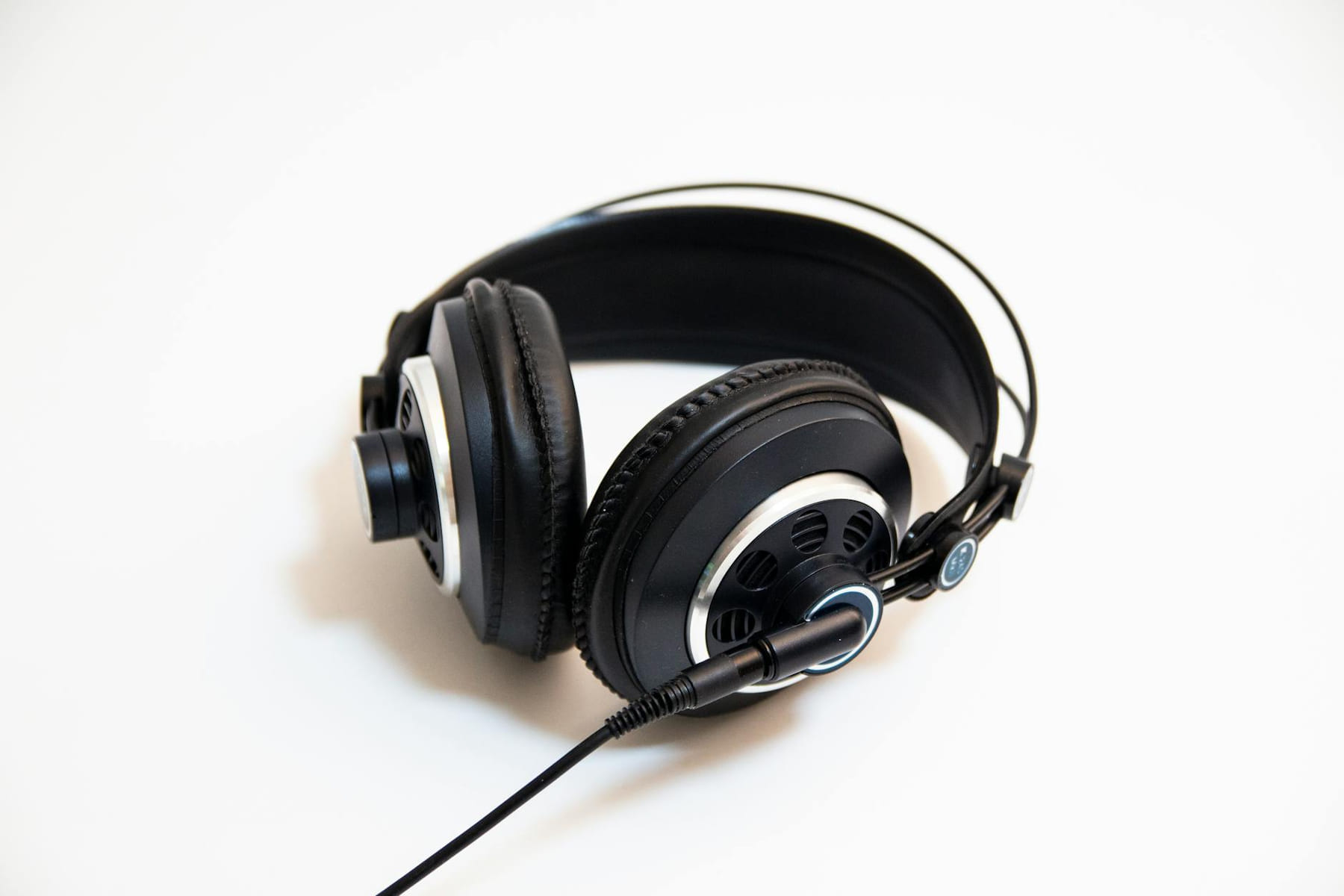
1. The Codec Conundrum: Don’t Get Lost in the Numbers (Audio Trends: Avoiding Common)
Audio Trends: Avoiding Common can be easier to approach when you start with a few practical basics. For years, the debate over codecs - like aptX, LDAC, and AAC - has raged on. These are essentially the languages audio data speaks, and a more efficient codec should theoretically deliver higher quality sound over a wireless connection. However, the reality is far more nuanced. While newer codecs like LDAC offer a significant improvement over older ones like SBC, the actual benefit you’ll hear depends heavily on your source material, your playback device, and your headphones.
The Mistake: Focusing solely on the codec number without considering the other factors. Buying the “best” codec headphones just to impress someone won’t magically transform your Spotify playlist. A great song on a mediocre system will still sound mediocre, regardless of the codec.
Practical Example: I recently reviewed a pair of headphones boasting LDAC support. While they performed admirably with high-resolution FLAC files streamed from my desktop, the difference between LDAC and SBC was barely perceptible when listening to compressed music from Apple Music. The headphones’ overall sound quality - the bass response, the clarity of the vocals - were the real differentiators.
What to Do Instead: Prioritize overall sound quality, frequency response, and comfort. Check reviews that specifically address codec performance with your preferred streaming services and devices. Don’t let marketing hype dictate your purchase.
2. Immersive Audio - Is It Really Worth It?
Spatial audio, Dolby Atmos, DTS: X - these terms are everywhere. They promise a truly three-dimensional listening experience, making you feel like you’re inside the music or movie. And in some cases, they absolutely deliver. However, the benefits aren't universal, and the setup can be surprisingly complex.
The Mistake: Assuming immersive audio will automatically improve every listening session. It requires specific content (movies, games, music mixed for spatial audio) and compatible hardware and software. Simply putting on your headphones and expecting a transformative experience is a recipe for disappointment.
Practical Example: I tested a pair of headphones with Dolby Atmos support, and while they were fantastic for watching action-packed movies with spatial audio elements, the effect was minimal when listening to traditional stereo music. The music sounded…fine, but not dramatically different.
What to Do Instead: Research the content you typically listen to. Does it have a spatial audio track? Ensure your playback device and headphones support the format. Understand the setup requirements - some headphones require calibration for optimal performance.
3. The Wireless Trap: Beyond Bluetooth
Wireless audio has become incredibly convenient, but it’s not always the best choice. Bluetooth, while ubiquitous, still suffers from latency and can be susceptible to interference. Wi-Fi audio, like AirPlay 2 and Chromecast Audio, offers improved performance but requires a stable Wi-Fi network and can be more complex to set up.
The Mistake: Blindly opting for wireless just because it’s “easier.” Wireless isn't always faster or better. For critical listening, a wired connection often provides the lowest latency and the most stable signal.
Practical Example: I used a wireless speaker system for a home theater setup, and I noticed a slight delay between the on-screen action and the audio, which was particularly noticeable during fast-paced scenes. Switching to a wired connection eliminated the lag and significantly improved the viewing experience.
What to Do Instead: Consider your primary use case. For casual listening, wireless is great. For critical listening, gaming, or home theater, a wired connection is often preferable. Explore different wireless protocols - Bluetooth 5.3 or later offers improved stability and range.
4. Ignoring Ergonomics and Comfort
Let’s be honest, no one wants to wear uncomfortable headphones for extended periods. It’s easy to get caught up in the specs and features, but neglecting ergonomics is a major mistake. Headphones that don’t fit properly will lead to fatigue, discomfort, and ultimately, a negative listening experience.
The Mistake: Buying headphones based solely on reviews and specifications without trying them on first. Headphone size and shape vary greatly, and what works for one person may not work for another.
Practical Example: I once purchased a pair of over-ear headphones based on their impressive frequency response and noise cancellation. However, they were incredibly heavy and didn’t fit my head shape properly, leading to significant discomfort after just an hour of listening.
What to Do Instead: Visit a store and try on different models. Pay attention to the headband padding, ear cup size, and clamping force. Consider your head size and shape when choosing headphones.
5. The Upgrade Cycle: Resist the Urge
The audio industry thrives on constant innovation, and it’s tempting to keep upgrading your gear in pursuit of the “next best thing.” But chasing upgrades can be a costly and ultimately unsatisfying habit.
The Mistake: Constantly buying new equipment without appreciating what you already have. The human ear adapts quickly, and the difference between a good pair of headphones and a great pair may be subtle.
Practical Example: I upgraded my headphones three times in a year, each time convinced that the new model would be a significant improvement. However, after a few weeks, I started to notice that the differences were minimal, and I was spending more money than I needed to.
What to Do Instead: Focus on building a solid foundation with quality equipment that meets your needs. Appreciate the sound you’re already hearing. If you’re truly unhappy with your current setup, research carefully before making another purchase.
Pick the easiest win first
Most people get better results with Audio Trends: Avoiding Common Pitfalls when they narrow the decision to one real problem. That could be saving time, trimming cost, reducing friction, or making the routine easier to keep up.
This usually gets easier once you make a short list of priorities. A tighter list tends to produce better decisions than trying to solve every possible problem at once.
Another useful filter is asking what you would still recommend if the budget got tighter, the schedule got busier, or the setup had to be easier for someone else to manage. The answers to that question usually reveal which advice is durable and which advice only works under ideal conditions.
The tradeoff most people notice late
One common mistake with Audio Trends: Avoiding Common Pitfalls is expecting every option to solve the whole problem. In reality, some choices are better for convenience, some for reliability, and some simply for keeping the budget under control.
Before spending more, it is worth checking the setup, upkeep, and learning curve. Small hassles matter here because they are usually what decide whether something stays useful or gets ignored.
It is easy to underestimate how much clarity comes from removing one unnecessary layer. In practice, trimming one complication often does more for Audio Trends: Avoiding Common Pitfalls than adding one more feature, one more product, or one more clever workaround.
Keep This Practical
The practical next step is to test one listening habit or setup change before replacing everything. That approach usually tells you faster whether the problem is the gear, the settings, or the environment.
Tools Worth A Look
These picks are useful if you want to improve sound quality, comfort, or listening convenience without overcomplicating the setup.
- Legend in MarketingConsumer Information Processing: Decision Making (Legend in Consumer Behavior)Quantum Marketing: Mastering the New Marketing Mindset for Tomorrows Consumers
Some of the links on this page are Amazon affiliate links, which means I may earn a small commission if you make a purchase through them. As an Amazon Associate, I earn from qualifying purchases.
Related ReadingMore from The Tech Shelf
Tech Made Easy: Starting Points
is easier to make sense of when you break it down into the part that matters most first. Instead of chasing every option at once, it usually helps to focus on what.
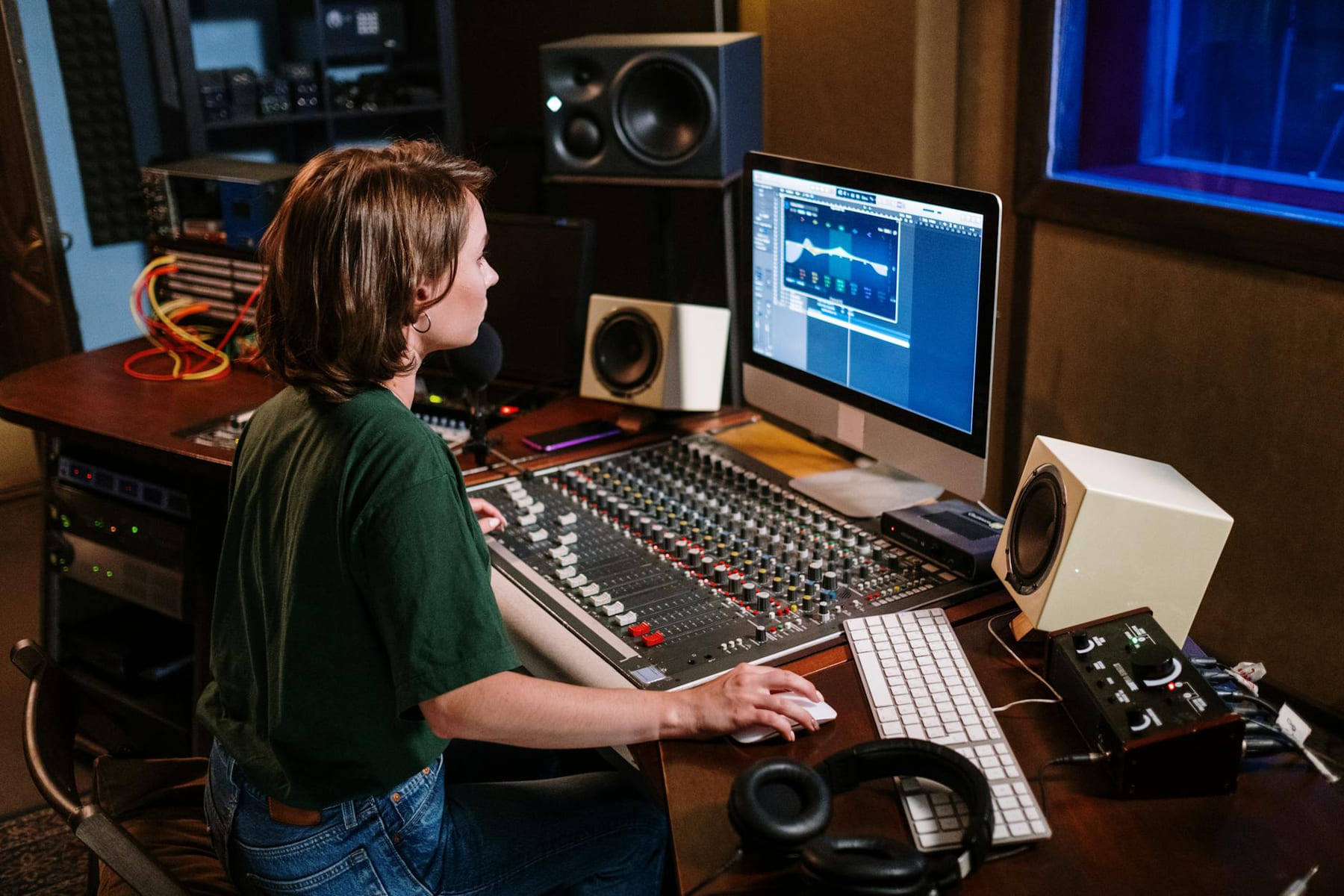
Audio’s Next Wave: What’s Changing Now
s Next Wave: What can be easier to approach when you start with a few practical basics. Spatial audio has moved far beyond just a buzzword. It’s now a core feature.
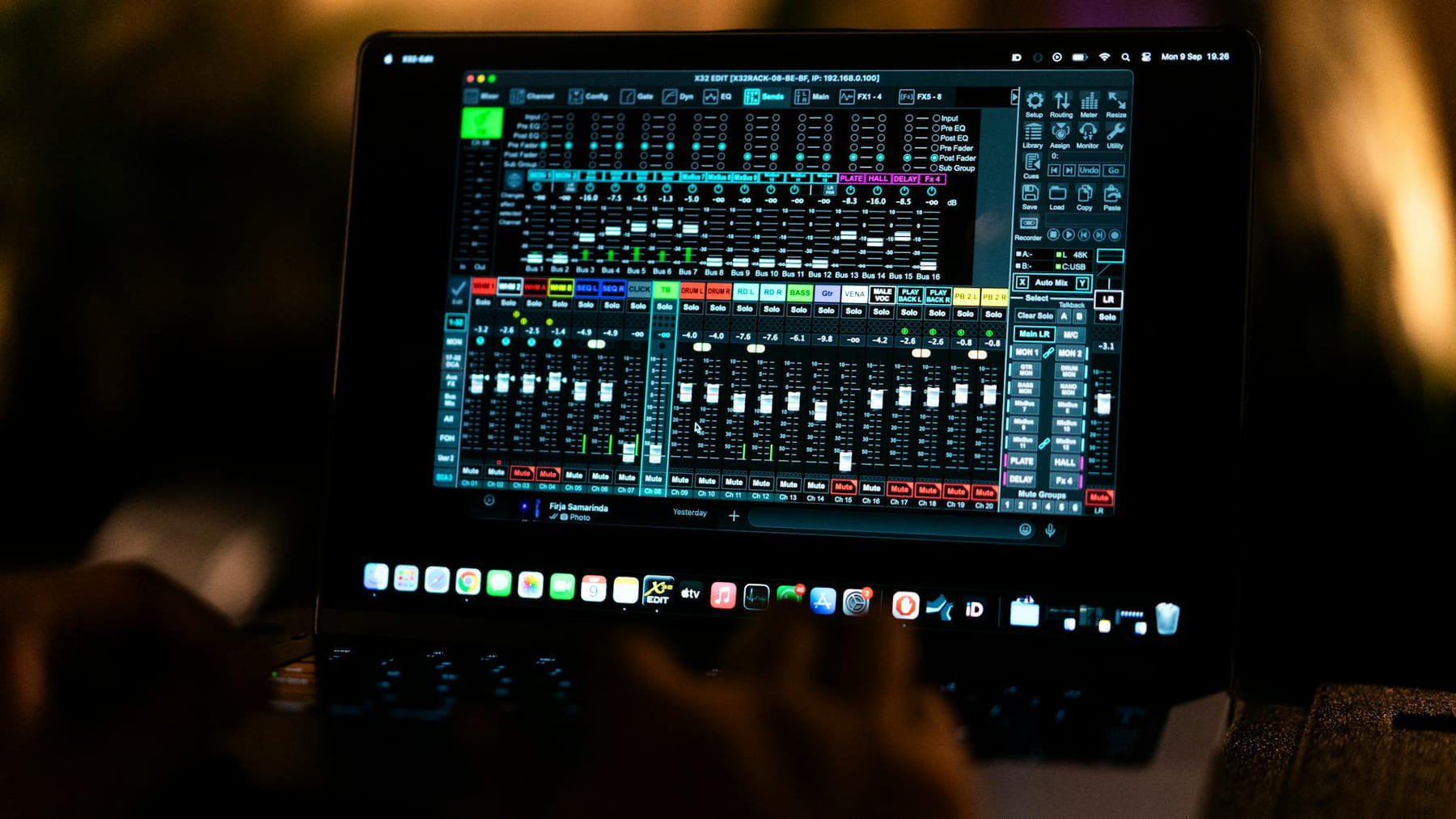
Audio Trends: What’s Next for Sound?
The most useful audio trends are the ones that improve real listening: clearer voice pickup, smarter noise control, better room tuning, and easier multi-device use.