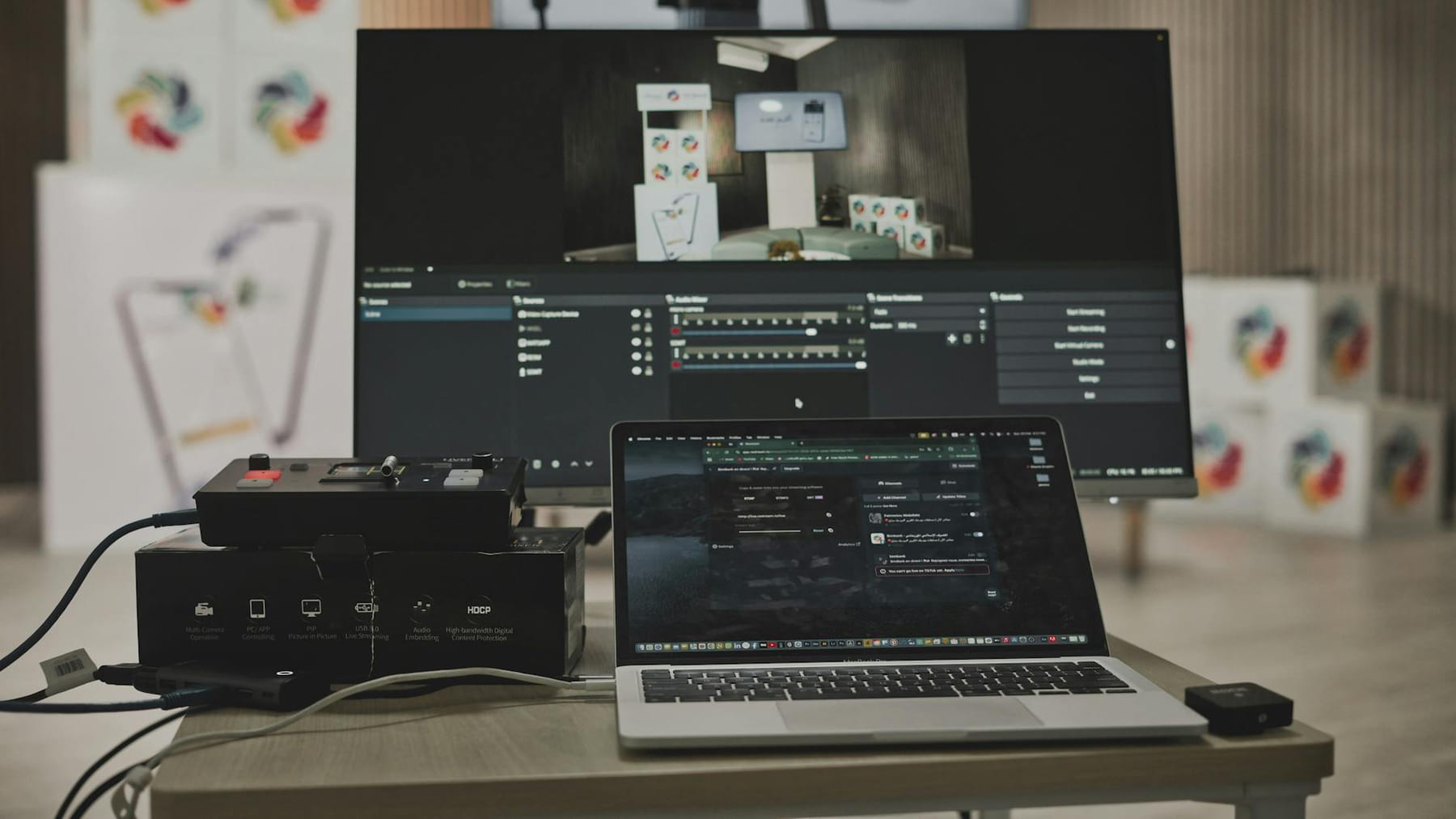
What Beginners Need to Know can be easier to approach when you start with a few practical basics. For beginners: Don’t get hung up on the technical details of head tracking. Focus on whether the music or audio you’re listening to feels more expansive and engaging. Start with headphones or earbuds that explicitly advertise spatial audio capabilities - they’re generally easier to set up and use than more complex systems.
Noise Cancellation: Beyond Just Blocking Out the World (What Beginners Need to Know)
Noise cancellation has been a staple in headphones for years, but the technology has evolved dramatically. It’s no longer just about muffling loud sounds; it’s about actively canceling them out, creating a significantly quieter and more focused listening environment. Adaptive noise cancellation (ANC) is the key here - systems that automatically adjust the level of noise cancellation based on your surroundings.
How it works: ANC headphones use microphones to detect ambient noise. Then, they generate an “anti-noise” signal that’s 180 degrees out of phase with the incoming sound waves, effectively canceling them out. Adaptive ANC takes this a step further by constantly analyzing the environment and adjusting the anti-noise signal in real-time. Examples: The Sony WH-1000XM5 remains a benchmark for ANC performance, offering exceptional noise cancellation across a wide range of frequencies. Bose QuietComfort Earbuds II provide a similarly impressive experience in a smaller, earbud form factor. Even budget-friendly options like the Anker Soundcore Life Q30 are offering surprisingly effective ANC.
For beginners: Experiment with different levels of ANC to find what works best for you. Some people prefer a completely silent environment, while others find a slight level of ambient noise helpful for situational awareness. Consider over-ear headphones for broader noise cancellation, or earbuds for portability and a more discreet experience.
Personalization is King: Tailoring Sound to *You*
For a long time, audio tech was largely about delivering a “one-size-fits-all” experience. But increasingly, manufacturers are recognizing that everyone’s ears and listening preferences are different. Personalization is moving from a nice-to-have feature to a core element of the listening experience.
How it works: This is happening in several ways. First, many headphones now offer customizable EQ settings, allowing you to fine-tune the sound to your liking. Second, some devices use AI and machine learning to analyze your listening habits and automatically adjust the sound profile. Third, some earbuds offer “personalized sound” profiles based on a quick hearing test - a simple process that assesses your hearing sensitivity and recommends optimal settings. Examples: The Sony WH-1000XM5 features “Speak-to-Chat,” which automatically pauses the music and activates ambient sound when it detects you’re speaking. The Jabra Elite Active 75t earbuds offer a personalized sound profile based on a hearing test. Even Spotify and Apple Music are incorporating more personalized audio recommendations and mastering based on your listening history.
For beginners: Don’t be afraid to experiment with EQ settings. Most headphones and streaming apps offer built-in EQ controls. Even a small adjustment can make a big difference in how you perceive the sound. Consider taking a hearing test - it’s a quick and painless way to optimize your listening experience.
Wireless Charging and Battery Life: The Essentials
While not a “trend” in the same way as spatial audio or ANC, wireless charging and extended battery life remain crucial considerations for any modern audio device. The convenience of wireless charging eliminates the need for cables, and longer battery life means you can listen for hours without worrying about running out of power.
Examples: The Sony WH-1000XM5 boasts up to 30 hours of battery life with ANC enabled. Many newer earbuds offer 8-10 hours of playtime on a single charge, with the charging case providing additional power. Wireless charging pads are becoming increasingly affordable and accessible.
For beginners: Look for devices that support wireless charging for added convenience. Consider the battery life you’ll typically need based on your listening habits - if you’re a frequent traveler, longer battery life is especially important.
Beyond the Basics: Emerging Trends
Looking ahead, we’re also seeing exciting developments like bone conduction audio (which transmits sound through your cheekbones, leaving your ears open), improved voice assistant integration, and more sophisticated haptic feedback systems. While these technologies are still relatively topic, they’re poised to play a bigger role in the future of audio.
Pick the easiest win first
Most people get better results with Audio Trends: What Beginners Need to Know when they narrow the decision to one real problem. That could be saving time, trimming cost, reducing friction, or making the routine easier to keep up.
This usually gets easier once you make a short list of priorities. A tighter list tends to produce better decisions than trying to solve every possible problem at once.
Another useful filter is asking what you would still recommend if the budget got tighter, the schedule got busier, or the setup had to be easier for someone else to manage. The answers to that question usually reveal which advice is durable and which advice only works under ideal conditions.
The tradeoff most people notice late
One common mistake with Audio Trends: What Beginners Need to Know is expecting every option to solve the whole problem. In reality, some choices are better for convenience, some for reliability, and some simply for keeping the budget under control.
Before spending more, it is worth checking the setup, upkeep, and learning curve. Small hassles matter here because they are usually what decide whether something stays useful or gets ignored.
It is easy to underestimate how much clarity comes from removing one unnecessary layer. In practice, trimming one complication often does more for Audio Trends: What Beginners Need to Know than adding one more feature, one more product, or one more clever workaround.
What makes this easier to live with
The options that age well are usually the ones that are easy to repeat. Reliability and low hassle often matter more than the most impressive-looking feature list.
In a topic like Consumer tech, manageable almost always beats impressive. If something is simple enough to keep using, it is usually doing more real work for you.
Readers usually get better results when they treat advice as something to test and refine, not something to obey perfectly. That mindset creates room for real judgment, which is often the difference between content that sounds smart and guidance that is actually useful.
How to avoid extra hassle
When you are deciding what to do next, aim for the option that reduces friction and gives you a clearer read on what matters most. That is usually how Audio Trends: What Beginners Need to Know becomes more useful instead of more complicated.
Leave a little room to adjust as you go. A setup that works in one budget range, season, or routine might need a small change later, and that is usually normal rather than a sign you got it wrong.
If this topic still feels crowded or overcomplicated, that is usually a sign to narrow the decision, not a sign that you need more noise. One careful adjustment, followed by honest observation, tends to teach more than another round of abstract tips.
Conclusion
Keep This Practical
A better audio setup does not always require a dramatic upgrade. One thoughtful change in fit, placement, or device choice can improve the experience more than chasing the newest feature.
Tools Worth A Look
The recommendations here fit readers who want audio gear that works well in real listening situations, not just on a specs page.
- Life360 Tile - Bluetooth Tracker, Keys Finder and Item Locator for Keys, Bags and More. Phone Finder. Both iOS and Android CompatibleSUUNTO Race S GPS Sports Watch, 1.32" AMOLED Touchscreen w/Crown, 13 Days Battery Life, Training & Sleep Health Tracking, Dual-GNSS, 32GB Global Offline MapsThe Busy Entrepreneur's Guide To Digital Marketing: Effective SEO, Social Media, And Paid Ad Strategies To Boost Online VisibilityConsumer Behavior Essentials You Always Wanted To Know (Self-Learning Management Series)12 Pcs Silicone Cable Ties
Some of the links on this page are Amazon affiliate links, which means I may earn a small commission if you make a purchase through them. As an Amazon Associate, I earn from qualifying purchases.
Related ReadingMore from The Tech Shelf
Tech Made Easy: Starting Points
is easier to make sense of when you break it down into the part that matters most first. Instead of chasing every option at once, it usually helps to focus on what.
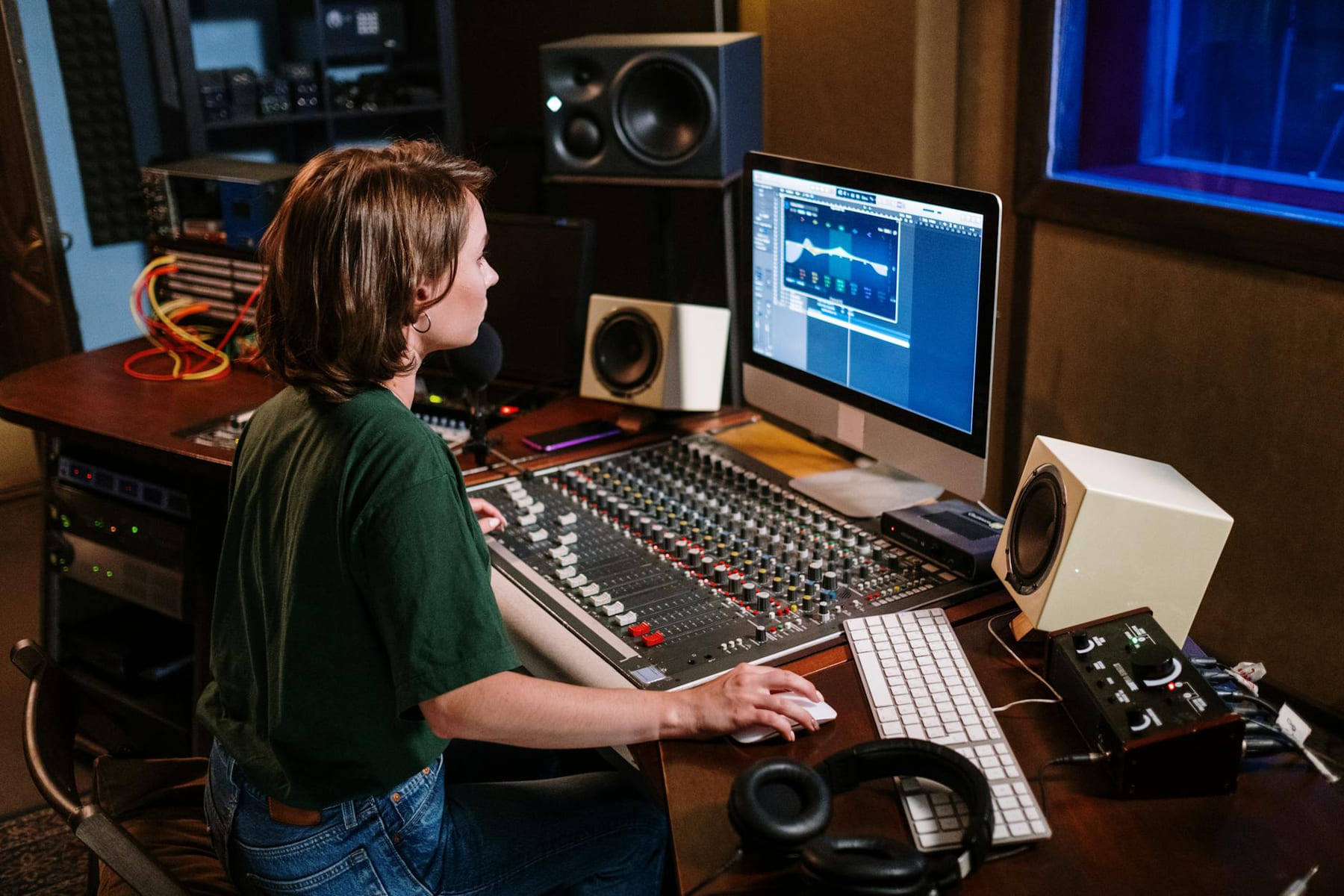
Audio’s Next Wave: What’s Changing Now
s Next Wave: What can be easier to approach when you start with a few practical basics. Spatial audio has moved far beyond just a buzzword. It’s now a core feature.
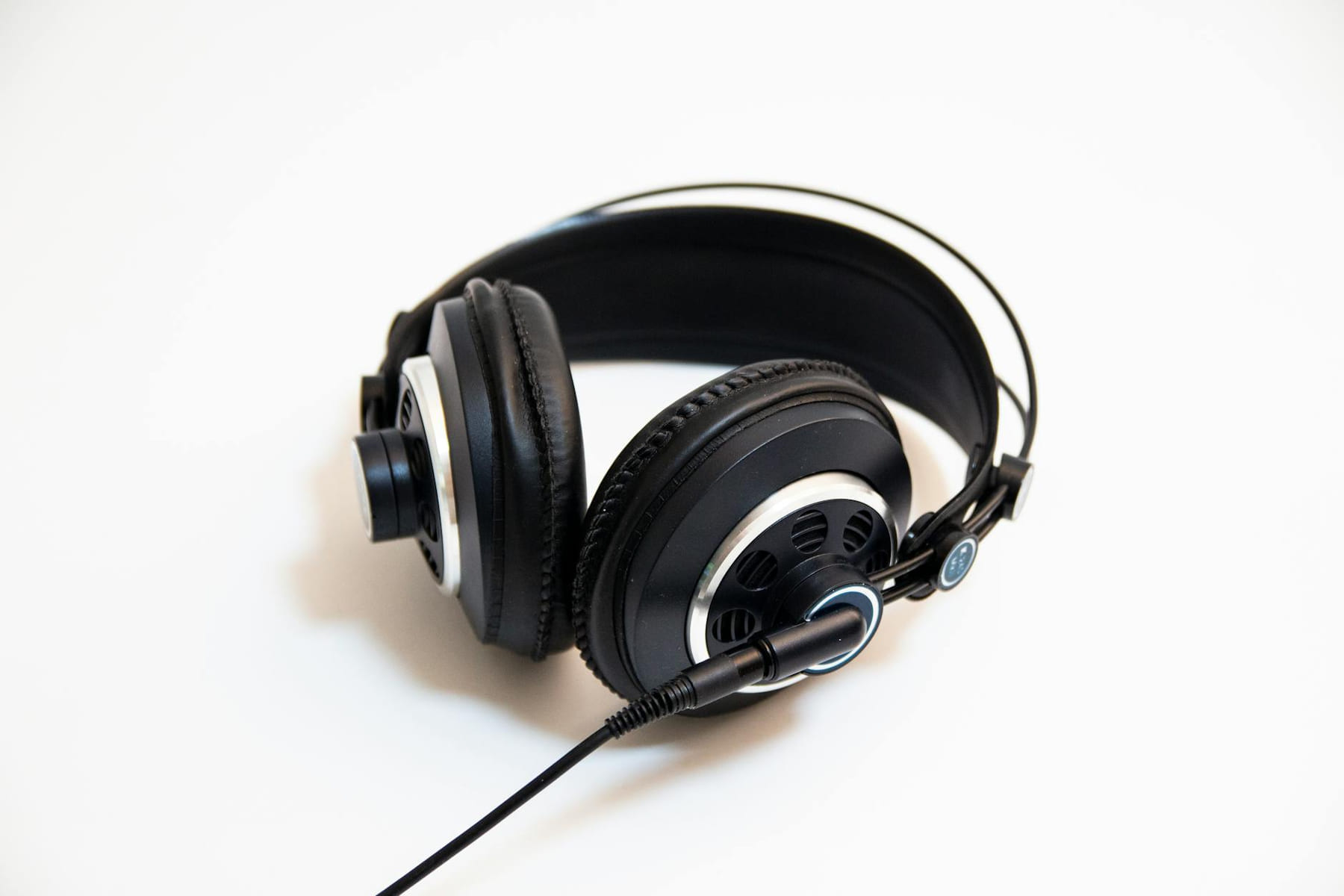
Audio Trends: Avoiding Common Pitfalls
Audio Tech Trends Mistakes to Avoid - The Tech Shelf Audio Tech Trends Mistakes to Avoid - Don’t Let the Hype Hurt Your Ears 1. The Codec Conundrum: Don’t Get Lost.