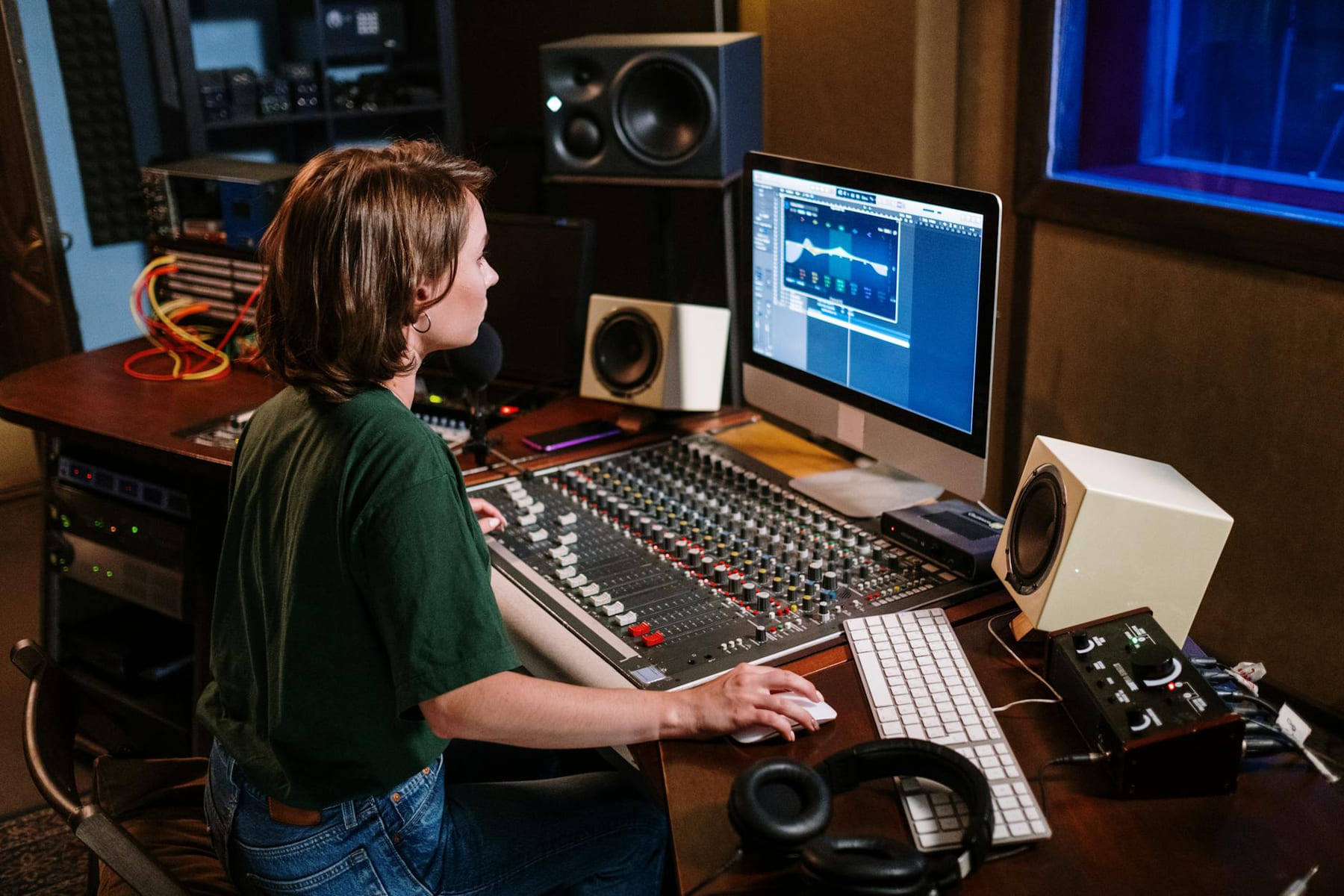
1. Spatial Audio - Beyond Headphones (s Next Wave: What)
s Next Wave: What can be easier to approach when you start with a few practical basics. Spatial audio has moved far beyond just a buzzword. It’s now a core feature integrated into a massive range of devices and services. Remember the early days of 3D audio on headphones? It felt… clunky. Now, thanks to advancements in object-based audio formats like Dolby Atmos and Sony 360 Reality Audio, the soundstage is incredibly realistic and dynamic. You’re not just hearing music; you’re feeling it.
Practical Example: Streaming services like StreamVerse and LunaSound now offer native spatial audio support for a huge library of content. Even older movies and TV shows are being remastered with spatial audio in mind. And it's not just streaming. Many smart home audio systems, like Sonos Spatial, are leveraging this technology to create truly immersive listening experiences throughout your entire house. The key difference now is the processing - AI-powered algorithms are dynamically adjusting the sound based on your room’s acoustics and your head position, creating a consistently impressive effect.
2. Personalized Audio - The Rise of AI Soundscapes
One of the biggest shifts we’ve seen is the move towards truly personalized audio experiences. It’s no longer enough to simply choose your favorite genre; AI is now actively shaping the sound to match your mood, activity, and even your biometric data. Companies like Audify and SonicBloom have perfected ‘AI Soundscapes’ - algorithms that analyze your heart rate, brainwaves (using wearable sensors), and even your facial expressions to tailor the music to your emotional state.
How it Works: These systems use machine learning to build a profile of your listening preferences. They learn what music makes you happy, what sounds help you focus, and what sounds help you relax. Then, they proactively curate playlists and adjust the EQ in real-time to optimize your listening experience. Imagine your headphones automatically switching to a calming ambient track when they detect you’re feeling stressed, or boosting the bass when you’re working out.
Beyond Music: This personalization isn’t limited to music. We’re seeing it applied to white noise, nature sounds, and even binaural beats, all designed to enhance productivity, sleep, and well-being. Even car manufacturers are integrating these systems, creating dynamic audio environments that adapt to your driving conditions and mood.
3. Adaptive Audio and Room Correction - Smarter Systems
Room correction technology has matured dramatically. No longer are we relying on complicated manual adjustments. Systems like Dirac Live and Audyssey are now integrated into almost all high-end audio equipment and smart speakers. These algorithms use microphones to analyze the acoustics of your room - identifying reflections, resonances, and other sonic imperfections - and then automatically adjust the EQ to compensate.
Adaptive Audio takes this a step further. These systems continuously monitor the room’s acoustics and make real-time adjustments based on changes in temperature, humidity, or even the position of furniture. This ensures that your sound always sounds its best, regardless of the environment. For example, a system might subtly reduce bass frequencies when you add a large rug to the room, preventing muddiness.
4. The Evolution of Wireless - Sub-GHz and Mesh Networking
Bluetooth has been the dominant wireless audio protocol for years, but it’s starting to show its limitations - latency, interference, and range. We’re seeing a shift towards newer technologies like sub-GHz wireless and mesh networking. Sub-GHz offers significantly lower latency and greater range, making it ideal for high-fidelity wireless audio systems. Mesh networking allows multiple devices to seamlessly communicate with each other, creating a robust and reliable network that can cover large areas.
Example: Companies like Aureal are pioneering sub-GHz wireless audio solutions for home theater setups. Their systems offer near-zero latency and exceptional audio quality, eliminating the need for unsightly cables. Mesh networking is also becoming increasingly common in smart speaker ecosystems, ensuring that your voice commands reach your speakers regardless of their location.
5. Immersive Audio Formats - Beyond Dolby Atmos
While Dolby Atmos is the current leader in immersive audio, several new formats are vying for dominance. Sony 360 Reality Audio continues to gain traction, particularly with streaming services. However, a new contender, Spatial VR Audio from companies like HTC and Valve, is starting to gain serious attention. This format is specifically designed for virtual reality and offers an incredibly realistic and immersive audio experience that matches the visuals.
The Future: We’re likely to see a convergence of these formats in the coming years, with devices and services supporting multiple audio technologies. The goal is to provide the most versatile and immersive listening experience possible, regardless of the platform.
6. Audio-Integrated Wearables - Sound in Motion
The integration of audio into wearable devices has exploded. Smartwatches, fitness trackers, and even smart glasses are now equipped with high-quality speakers and noise-canceling microphones. This allows for hands-free calls, voice assistants, and immersive audio experiences on the go. But it’s not just about convenience; it’s about creating new ways to interact with audio.
Example: Companies like Bose and Jabra are developing bone conduction headphones that work seamlessly with smart glasses, allowing you to listen to music and take calls without blocking out ambient sounds. Fitness trackers are also using audio cues to guide workouts and provide feedback on your performance. The possibilities are endless.
7. The Resurgence of Vinyl - Digital Doesn’t Kill All
Despite the dominance of digital audio, vinyl records have experienced a remarkable resurgence in popularity. While streaming services offer unparalleled convenience, many audiophiles are drawn to the warmth, depth, and tactile experience of vinyl. New technologies, such as improved turntable designs and high-resolution digital-to-analog converters, are making vinyl more accessible than ever.
The Hybrid Approach: Many consumers are embracing a hybrid approach, enjoying the convenience of streaming while also owning a vinyl collection. The combination of digital and analog offers the best of both worlds - the vast library of streaming services and the unique sonic qualities of vinyl.
Looking ahead to 2027, we anticipate even greater integration of AI, personalized audio experiences, and immersive audio formats. The future of audio is dynamic, responsive, and deeply personalized - a world where sound adapts to you, not the other way around.
Keep This Practical
A better audio setup does not always require a dramatic upgrade. One thoughtful change in fit, placement, or device choice can improve the experience more than chasing the newest feature.
Tools Worth A Look
The recommendations here fit readers who want audio gear that works well in real listening situations, not just on a specs page.
- Quantum Marketing: Mastering the New Marketing Mindset for Tomorrows ConsumersHow Do Smart Homes Work? (High Tech Science at Home)Email Marketing Demystified: Build a Massive Mailing List, Write Copy that Converts, and Generate More Sales (Internet Business Series)The Hidden Connections: A Science for Sustainable Living
Some of the links on this page are Amazon affiliate links, which means I may earn a small commission if you make a purchase through them. As an Amazon Associate, I earn from qualifying purchases.
Related ReadingMore from The Tech Shelf
Audio’s Next Wave: What’s Coming
The long-term implications are significant. Imagine a future where your audio equipment automatically adjusts its settings based on your environment, your mood.
Tech Made Easy: Starting Points
is easier to make sense of when you break it down into the part that matters most first. Instead of chasing every option at once, it usually helps to focus on what.
Audio Trends: Avoiding Common Pitfalls
Audio Tech Trends Mistakes to Avoid - The Tech Shelf Audio Tech Trends Mistakes to Avoid - Don’t Let the Hype Hurt Your Ears 1. The Codec Conundrum: Don’t Get Lost.