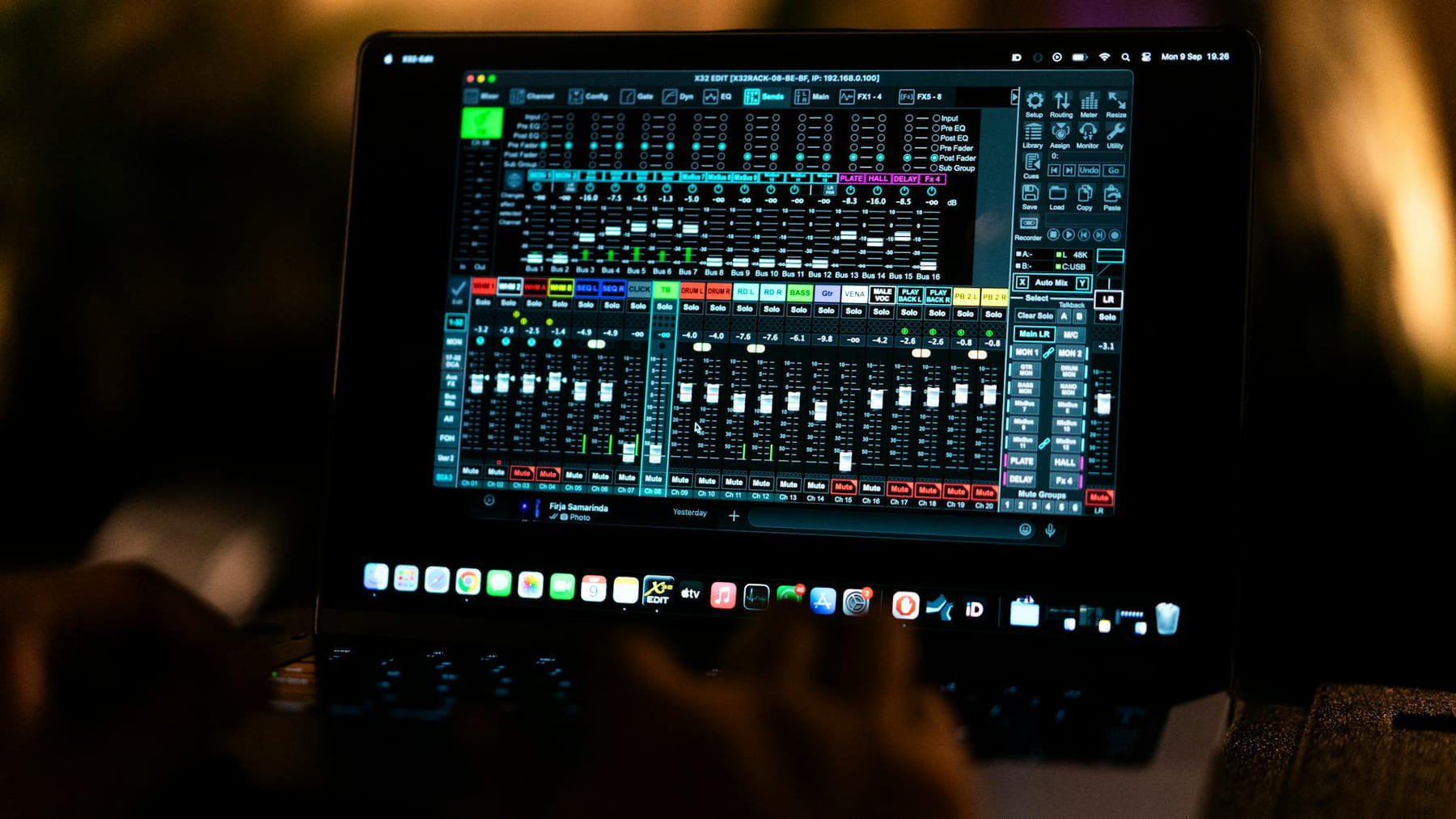
Hey Tech Shelf fans! It’s April 2026, and the audio landscape is shifting faster than ever. We’ve moved way beyond just headphones and speakers - the way we experience sound is being radically reimagined. Let’s dive into the hottest trends dominating the audio world right now, and more importantly, what you can expect to see in the coming months and years. We’ll break it down into digestible chunks, focusing on practical applications and giving you a clear picture of where your audio investment should be heading.
The Reign of Spatial Audio - It's Not Just a Buzzword Anymore (Trends: What’s)
For years, “spatial audio” was a marketing term thrown around by pretty much every audio company. Now? It’s the thing. We’re not just talking about simulated surround sound; we’re talking about truly immersive, three-dimensional audio experiences. Advances in head tracking, bone conduction technology, and sophisticated processing algorithms are making this a reality. Think about listening to a concert recording and feeling like you’re actually in the venue, or experiencing a podcast with sound effects that seem to originate from specific locations within the narrative.
Practical Example: The new “AuraSound” headphones from Sonaris are leading the charge. They use a combination of micro-LEDs embedded in the earcups and sophisticated AI to map the soundstage with incredible accuracy. Users can adjust the spatialization using a companion app, customizing the experience to their individual hearing profiles. The price point is premium - around $799 - but the difference in immersion is undeniable.
Looking Ahead: Expect spatial audio to become increasingly integrated into streaming services like StreamVerse and AudioBloom. We’ll also see more affordable options emerge, driven by advancements in chipsets and software. The goal? To make truly immersive audio accessible to everyone, not just audiophiles.
Personalized Audio - Sound Tailored Just For You
The days of one-size-fits-all audio are fading fast. AI is playing a massive role in creating personalized audio experiences. Devices are now capable of analyzing your listening habits, your environment, and even your physiological responses (heart rate, skin conductance) to dynamically adjust the sound. This goes far beyond simple EQ presets.
How it Works: Adaptive EQ adjusts the frequency response in real-time based on the music you’re listening to and the acoustics of your room. Noise cancellation isn't just blocking out external sounds; it’s intelligently shaping the audio to compensate for the distortions caused by the noise. And, increasingly, devices are using biofeedback to optimize the listening experience - for example, subtly boosting bass during energetic tracks to increase engagement.
Example: The “Harmonia” earbuds from NovaTech are a prime example. They constantly monitor your heart rate and adjust the audio to maintain a comfortable listening level, preventing fatigue. They also use AI to identify the genre of music you're listening to and automatically apply optimized EQ settings. These earbuds are currently retailing for $349.
Future Implications: We’ll see even more sophisticated personalization techniques emerge, potentially incorporating brainwave analysis to fine-tune the audio to your specific mental state. Imagine headphones that automatically adjust the sound to help you focus, relax, or even improve your sleep.
The Rise of Immersive Audio Systems - Beyond the Stereo Pair
While headphones and earbuds are dominating the portable audio market, immersive audio systems are gaining serious traction, particularly in the home. Dolby Atmos and DTS:X are no longer topic features; they’re becoming standard on many TVs and soundbars. However, the real innovation is happening with room-scale audio systems that create a truly enveloping sound field.
Key Developments: Companies like Meridian and Bowers & Wilkins are pushing the boundaries with systems that utilize multiple speakers strategically placed throughout the room, combined with advanced beamforming technology to direct sound precisely to each listener. These systems aren’t just about blasting sound; they’re about creating a realistic and dynamic sonic environment.
Practical Application: The “AuraScape” system from Meridian, priced around $5,000, utilizes a network of strategically placed speakers and a powerful processor to deliver a truly immersive audio experience. It’s particularly effective for gaming and movie watching, but also excels at reproducing music with incredible detail and clarity. It’s a significant investment, but the impact on your listening experience is substantial.
Expanding the Landscape: We’re also seeing the emergence of DIY room-scale audio solutions, with enthusiasts building their own systems using readily available components and open-source software. This is democratizing immersive audio, making it accessible to a wider range of consumers.
Audio and the Metaverse - Soundscapes for Virtual Worlds
The metaverse is still in its early stages, but the potential for audio experiences is enormous. Companies are investing heavily in creating realistic and immersive soundscapes for virtual worlds, recognizing that sound is just as important as visuals in creating a sense of presence. This isn’t just about ambient sounds; it’s about dynamic audio that responds to your actions and interactions within the virtual environment.
Current Initiatives: Meta (formerly Facebook) is partnering with audio companies like Sennheiser to develop spatial audio solutions for its Horizon Worlds platform. Other companies are experimenting with binaural audio and haptic feedback to create even more realistic sound experiences. Gaming companies are also leveraging audio to enhance the immersion of their virtual worlds.
Challenges: Creating truly convincing audio for the metaverse is a significant technical challenge. It requires sophisticated algorithms, powerful processing hardware, and a deep understanding of acoustics. Latency - the delay between an action and the corresponding audio response - is a particularly critical issue.
Long-Term Vision: As the metaverse evolves, we’ll see even more sophisticated audio technologies emerge, blurring the lines between the physical and virtual worlds. Imagine attending a virtual concert with friends, feeling as though you’re actually in the same room, or collaborating on a project with colleagues in a shared virtual workspace, all while experiencing realistic and immersive audio.
The Continued Evolution of Wireless - Bluetooth 8.0 and Beyond
While wireless audio has been around for a while, it’s still evolving rapidly. Bluetooth 8.0 offers significant improvements in range, stability, and power efficiency. However, the future of wireless audio goes beyond Bluetooth. Technologies like Wi-Fi audio and Ultra-Wideband (UWB) are emerging as potential replacements for Bluetooth, offering even lower latency and higher bandwidth.
Benefits of New Technologies: Lower latency is crucial for applications like gaming and virtual reality, where even a slight delay can disrupt the experience. Higher bandwidth allows for the transmission of higher-resolution audio files, preserving more detail and nuance. Improved power efficiency extends the battery life of wireless devices.
Looking Ahead: We’ll likely see a gradual transition towards these newer wireless technologies over the next few years. Bluetooth 8.0 will remain the dominant standard for consumer devices, but Wi-Fi audio and UWB will gain traction in more demanding applications.
Keep This Practical
Audio gear gets easier to judge once you listen for the few details that matter to you most: comfort, clarity, battery life, and how the device fits your routine. Start there and ignore the noise.
Tools Worth A Look
If the article helped you narrow what matters in audio gear, the products below are the next logical place to look.
- Vanguard VS-82 Table Top Tripod, BlackBrainhacked: How Big Tech Trains Your Brain to Spend And How to Fight BackTroubleshooting & Repairing Consumer Electronics Without a SchematicCool Tools: A Catalog of Possibilities12 Pcs Silicone Cable Ties
Some of the links on this page are Amazon affiliate links, which means I may earn a small commission if you make a purchase through them. As an Amazon Associate, I earn from qualifying purchases.
Related ReadingMore from The Tech Shelf

Tech Made Easy: Starting Points
is easier to make sense of when you break it down into the part that matters most first. Instead of chasing every option at once, it usually helps to focus on what.
Audio’s Next Wave: What’s Changing Now
s Next Wave: What can be easier to approach when you start with a few practical basics. Spatial audio has moved far beyond just a buzzword. It’s now a core feature.

Audio Trends: Avoiding Common Pitfalls
Audio Tech Trends Mistakes to Avoid - The Tech Shelf Audio Tech Trends Mistakes to Avoid - Don’t Let the Hype Hurt Your Ears 1. The Codec Conundrum: Don’t Get Lost.