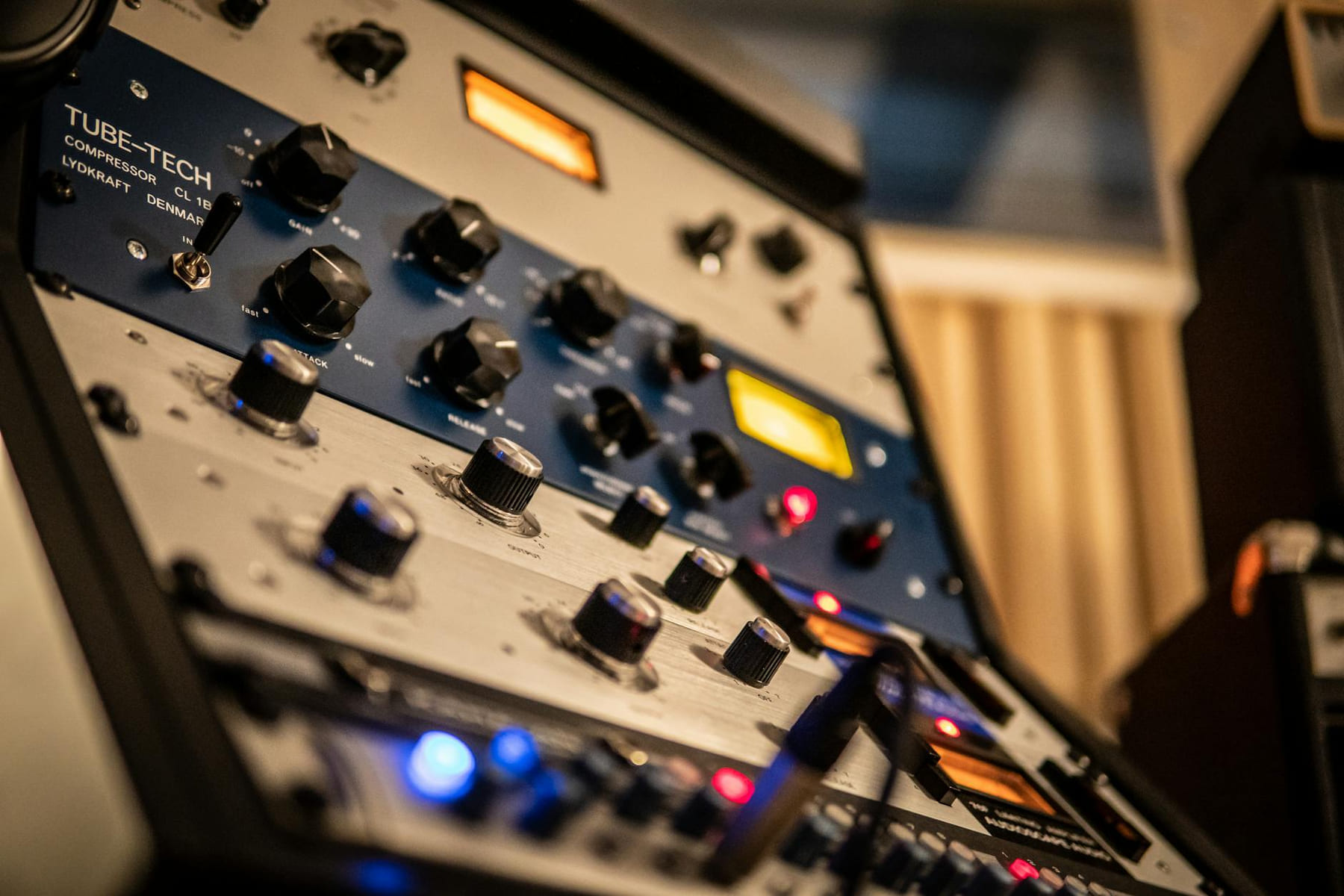
Welcome back to The Tech Shelf! It’s April 2026, and the audio landscape has shifted dramatically in the last few years. What was once dominated by headphones and traditional speakers is now a vibrant, layered ecosystem fueled by AI, spatial audio, and a renewed focus on immersive experiences. Let’s dive into the biggest trends shaping how we listen to music, podcasts, and everything in between.
1. The Rise of Spatial Audio - Beyond Stereo
For years, stereo sound was the gold standard. Now, spatial audio is rapidly becoming the new normal. But it’s much more than just a fancy label. Spatial audio, powered by technologies like Dolby Atmos, Sony 360 Reality Audio, and Apple’s Spatial Audio with Head Tracking, creates a three-dimensional soundscape. It’s not just about hearing sound around you; it’s about hearing it from specific locations within a virtual space.
How it works: These systems use object-based audio, meaning individual sounds (a bird singing, a car passing, a cymbal crash) are treated as separate “objects” and placed within a virtual environment. Your headphones or speakers then precisely reproduce these objects, creating a convincingly realistic and immersive listening experience.
Practical Examples: Streaming services like Tidal and Apple Music have fully embraced spatial audio, offering a growing library of content mixed specifically for these formats. Gaming is a huge driver - experiencing a battlefield with gunfire coming from your left and explosions behind you adds a whole new level of engagement. Even movies and TV shows are increasingly utilizing spatial audio for a truly cinematic experience, especially on platforms like Disney+ and Netflix.
2. AI-Powered Audio - Personalization and Enhancement
Artificial intelligence isn't just automating tasks anymore; it’s fundamentally changing how we interact with audio. AI is being used in a multitude of ways, from personalized listening recommendations to real-time audio enhancement.
Personalized Sound Profiles: Many high-end headphones and audio systems now come equipped with AI-powered sound profiles. These profiles analyze your hearing, listening habits, and even the acoustics of your room to automatically optimize the sound for you. Companies like AudioMind and Sonarwave are leading the charge here, offering sophisticated analysis tools and custom EQ settings. Imagine a system that adapts to your hearing loss as you age - that’s the potential of this technology.
Real-Time Audio Enhancement: AI is also being used to clean up audio in real-time. Noise cancellation is getting dramatically better, not just blocking out static, but intelligently identifying and removing specific unwanted sounds - like keyboard clicks, traffic noise, or even the hum of an air conditioner. Apps like Krisp are already popular, but we’re seeing this capability integrated directly into headphones and earbuds. Furthermore, AI is being used to improve vocal clarity in podcasts and audiobooks, making them easier to understand.
3. The Evolution of Headphones - Comfort, Features, and Form Factors
Headphones have undergone a significant transformation in recent years. It's no longer just about sound quality; comfort, features, and form factor are equally important.
Adaptive Comfort: Headband tension and ear cup padding are now dynamically adjusted by AI based on your head shape and movement. Some headphones even incorporate haptic feedback to subtly alert you to notifications or adjust the sound profile.
Integrated Wellness Features: We’re seeing a surge in headphones with built-in wellness sensors. They track heart rate variability, stress levels, and even sleep patterns, providing insights into your overall well-being. Some brands are even partnering with meditation apps to offer guided sessions directly through the headphones.
Beyond Over-Ear: While over-ear headphones remain popular, we're seeing a rise in innovative form factors. Bone conduction headphones are gaining traction, offering situational awareness while still allowing you to hear your audio. Ear clips and stem-based earbuds are becoming increasingly popular, providing a more secure and comfortable fit for active users. And let’s not forget the continued development of truly wireless earbuds - with improved battery life, multipoint connectivity, and increasingly sophisticated noise cancellation.
4. Smart Speakers - More Than Just Voice Assistants
Smart speakers have moved far beyond simple voice commands. They’re becoming central hubs for our entire audio ecosystem.
Multi-Room Audio Mastery: Multi-room audio is now seamless and intuitive. You can easily group speakers throughout your home to create synchronized listening experiences or play different music in different rooms. Matter, the new smart home connectivity standard, is playing a crucial role in simplifying this process.
Spatial Audio Support: Many new smart speakers now support spatial audio, bringing the immersive experience to your living room. The Sonos Arc and Apple HomePod (3rd Gen) are leading the way in this area.
Integrated AI Assistants: Voice assistants like Alexa, Google Assistant, and Siri are becoming more proactive. They’re learning your listening habits, anticipating your needs, and even suggesting music based on your mood and activity. They’re also integrating with other smart home devices, allowing you to control your lights, thermostat, and other appliances with your voice.
5. The Rise of Decentralized Audio - Web3 and NFTs
A surprising trend is emerging: the intersection of audio and Web3 technology. Non-fungible tokens (NFTs) are being used to represent ownership of music, sound effects, and even entire audio experiences.
Exclusive Content: Artists are offering exclusive audio content - unreleased tracks, behind-the-scenes recordings, and interactive audio experiences - as NFTs. Listeners can own these assets and potentially earn royalties from their use.
Decentralized Streaming: Platforms are exploring decentralized streaming models, cutting out intermediaries and allowing artists to retain a larger share of the revenue. Audius is a prime example, offering a blockchain-based music streaming service.
Immersive Audio NFTs: We're seeing the creation of NFTs that unlock access to immersive audio experiences - virtual concerts, interactive soundscapes, and even personalized audio stories. This is still early days, but it has the potential to fundamentally change how we consume and interact with audio.
Pick the easiest win first
Most people get better results with Audio Tech: What’s Shaping Sound when they narrow the decision to one real problem. That could be saving time, trimming cost, reducing friction, or making the routine easier to keep up.
This usually gets easier once you make a short list of priorities. A tighter list tends to produce better decisions than trying to solve every possible problem at once.
Another useful filter is asking what you would still recommend if the budget got tighter, the schedule got busier, or the setup had to be easier for someone else to manage. The answers to that question usually reveal which advice is durable and which advice only works under ideal conditions.
The tradeoff most people notice late
One common mistake with Audio Tech: What’s Shaping Sound is expecting every option to solve the whole problem. In reality, some choices are better for convenience, some for reliability, and some simply for keeping the budget under control.
Before spending more, it is worth checking the setup, upkeep, and learning curve. Small hassles matter here because they are usually what decide whether something stays useful or gets ignored.
It is easy to underestimate how much clarity comes from removing one unnecessary layer. In practice, trimming one complication often does more for Audio Tech: What’s Shaping Sound than adding one more feature, one more product, or one more clever workaround.
Keep This Practical
A better audio setup does not always require a dramatic upgrade. One thoughtful change in fit, placement, or device choice can improve the experience more than chasing the newest feature.
Tools Worth A Look
The recommendations here fit readers who want audio gear that works well in real listening situations, not just on a specs page.
- Quantum Marketing: Mastering the New Marketing Mindset for Tomorrows ConsumersClemm Portable Charger Quick Charging Power Bank (Gray, 20000, Milliamp Hours)Digital Consumer Behavior Essentials: Understanding Online Decision-Making, AI Influence & Algorithmic MarketingHow to Grow Your Small Business
Some of the links on this page are Amazon affiliate links, which means I may earn a small commission if you make a purchase through them. As an Amazon Associate, I earn from qualifying purchases.
Related ReadingMore from The Tech Shelf
Tech Made Easy: Starting Points
is easier to make sense of when you break it down into the part that matters most first. Instead of chasing every option at once, it usually helps to focus on what.
Audio’s Next Wave: What’s Changing Now
s Next Wave: What can be easier to approach when you start with a few practical basics. Spatial audio has moved far beyond just a buzzword. It’s now a core feature.
Audio Trends: Avoiding Common Pitfalls
Audio Tech Trends Mistakes to Avoid - The Tech Shelf Audio Tech Trends Mistakes to Avoid - Don’t Let the Hype Hurt Your Ears 1. The Codec Conundrum: Don’t Get Lost.