The Big Picture: Trends Shaping 2026
Let’s start with the overarching trends. 2025 saw the initial rollout of truly personalized AI assistants - not just voice commands, but proactive systems that learn your habits and anticipate your needs. That’s only accelerated this year. We’re seeing AI integrated into nearly everything, from optimizing your energy consumption to suggesting the perfect recipe based on your pantry inventory. Beyond AI, the metaverse, while not the all-consuming phenomenon predicted a few years ago, has matured into a suite of interconnected experiences. Think collaborative workspaces, interactive entertainment, and even specialized training simulations - all accessible through lightweight augmented reality headsets and increasingly sophisticated haptic suits.
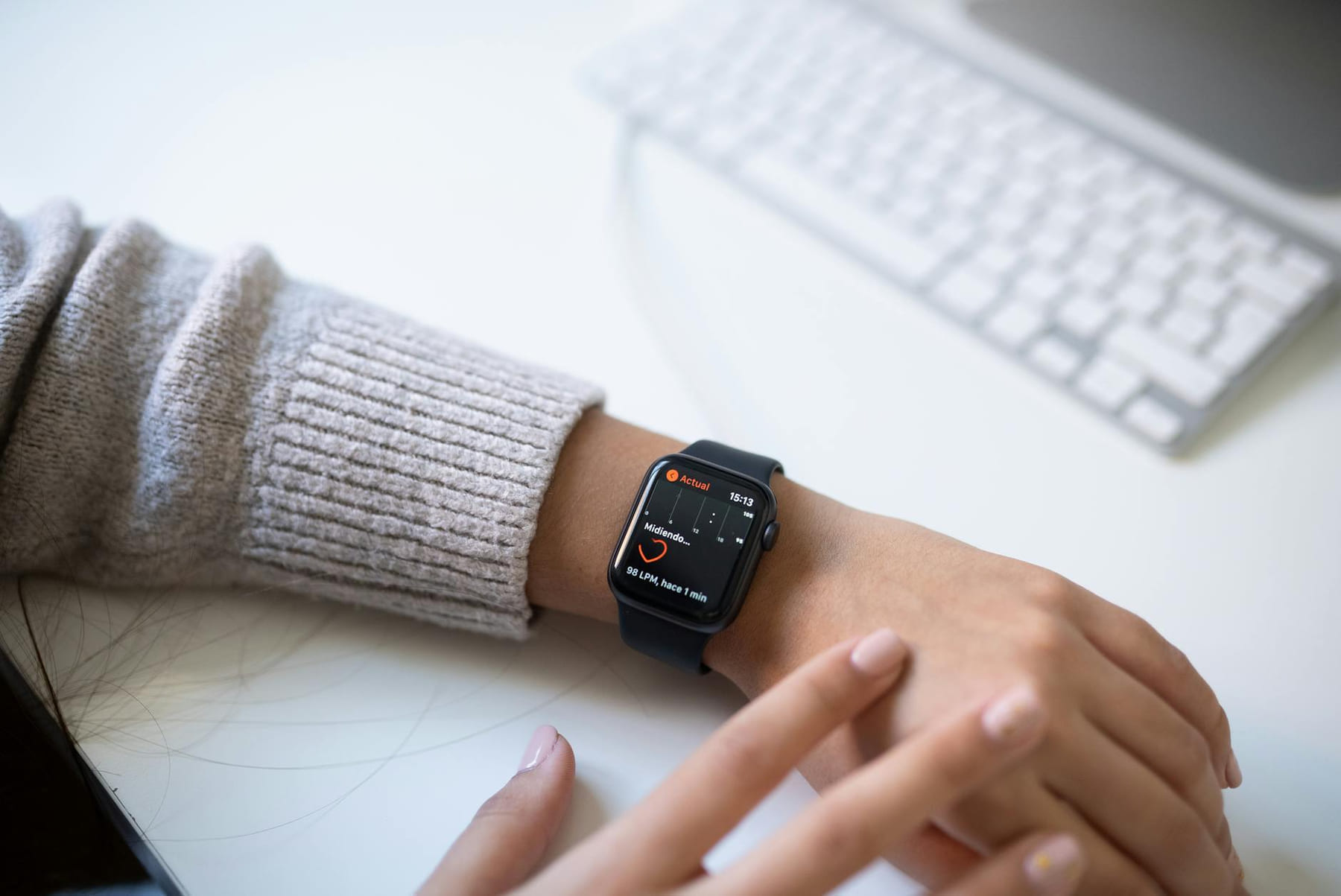
Sustainability is no longer a topic concern; it’s a core driver of innovation. Manufacturers are prioritizing recycled materials, modular designs for easier repair and upgrades, and energy-efficient components. We’re also seeing a rise in “digital minimalism” - a conscious effort to reduce our reliance on technology and reclaim our attention. Finally, biometrics are becoming more prevalent, not just for security but also for personalized health monitoring and adaptive interfaces.
Smart Homes: Beyond the Basics
The smart home is no longer just about controlling lights and thermostats. In 2026, it’s about creating truly responsive and intuitive living spaces. Here's a breakdown of what's hot:
- Neural Home Integration: This is the biggest leap. Systems now utilize subtle biofeedback - analyzing your heart rate, sleep patterns, and even micro-expressions - to adjust the environment automatically. Feeling stressed? The lighting dims, calming music plays, and the temperature adjusts to a comfortable level.
- Predictive Maintenance: Your appliances aren’t just alerting you to problems; they’re proactively scheduling repairs. A smart washing machine, for example, will order replacement parts and schedule a technician visit before you even notice an issue.
- Hyper-Personalized Entertainment: Forget generic streaming recommendations. AI analyzes your viewing habits, mood, and even the weather to curate a truly bespoke entertainment experience. Imagine a movie night that automatically adjusts the lighting, temperature, and snack selection based on your preferences.
- Modular Smart Furniture: Companies are moving away from fixed furniture and embracing modular designs that can be reconfigured to suit your changing needs. A dining table that expands for a large gathering or folds away to create more space - it’s becoming the norm.
Practical Example: Consider the “Aura Home” system from Stellar Dynamics. It combines neural home integration with predictive maintenance and personalized entertainment. It learned that you consistently feel most productive in the mornings with a bright, cool environment and classical music, so it automatically adjusts the lighting and soundscape as you wake up. It also detected a slight vibration in your refrigerator and proactively scheduled a repair before it could lead to spoiled food.
Mobile Tech: The Evolution Continues
Smartphones haven’t disappeared; they’ve evolved. The focus is now on seamless integration with other devices and a more intuitive user experience. Here’s what’s shaping the mobile landscape:
- Foldable Displays - Refined: The crease issues of previous generations are largely a thing of the past. Foldable phones are now durable, reliable, and offer a genuinely compelling multitasking experience.
- Haptic Feedback 2.0: Beyond simple vibrations, haptic technology is now capable of simulating textures and even recreating the sensation of holding different objects.
- Neural Interfaces (Limited): While full-blown brain-computer interfaces are still years away, we’re seeing limited neural interfaces that allow you to control devices with subtle gestures and even thoughts - primarily for accessibility features.
- Sustainable Materials: Many manufacturers are utilizing bio-plastics and recycled aluminum in their devices, reducing their environmental impact.
Practical Example: The ‘Nova X’ from Quantum Devices boasts a virtually seamless foldable display, advanced haptic feedback that mimics the texture of paper, and a subtle neural interface that allows you to control music playback with a simple blink. It’s a premium device, but it represents the direction the industry is heading.
Augmented Reality & Immersive Experiences
AR isn't just about Pokemon Go anymore. In 2026, AR is deeply integrated into professional and personal workflows. Lightweight, stylish AR glasses are commonplace, providing contextual information, facilitating remote collaboration, and enhancing everyday experiences. Haptic suits are becoming more accessible, offering a truly immersive experience for gaming, training simulations, and even remote therapy.
Key Developments:
- Spatial Computing Platforms: Companies like Horizon Reality are building robust spatial computing platforms that allow users to seamlessly blend the digital and physical worlds.
- Enterprise AR Applications: AR is transforming industries like manufacturing, healthcare, and education, providing technicians with real-time guidance, surgeons with augmented visualization, and students with interactive learning experiences.
- Social AR: AR is changing the way we connect with each other, allowing us to share experiences and collaborate in shared virtual spaces.
Pick the easiest win first
Most people get better results with Tech Trends Shaping when they narrow the decision to one real problem. That could be saving time, trimming cost, reducing friction, or making the routine easier to keep up.
This usually gets easier once you make a short list of priorities. A tighter list tends to produce better decisions than trying to solve every possible problem at once.
Another useful filter is asking what you would still recommend if the budget got tighter, the schedule got busier, or the setup had to be easier for someone else to manage. The answers to that question usually reveal which advice is durable and which advice only works under ideal conditions.
The tradeoff most people notice late
One common mistake with Tech Trends Shaping is expecting every option to solve the whole problem. In reality, some choices are better for convenience, some for reliability, and some simply for keeping the budget under control.
Before spending more, it is worth checking the setup, upkeep, and learning curve. Small hassles matter here because they are usually what decide whether something stays useful or gets ignored.
It is easy to underestimate how much clarity comes from removing one unnecessary layer. In practice, trimming one complication often does more for Tech Trends Shaping than adding one more feature, one more product, or one more clever workaround.
What makes this easier to live with
The options that age well are usually the ones that are easy to repeat. Reliability and low hassle often matter more than the most impressive-looking feature list.
In a topic like Consumer tech, manageable almost always beats impressive. If something is simple enough to keep using, it is usually doing more real work for you.
Readers usually get better results when they treat advice as something to test and refine, not something to obey perfectly. That mindset creates room for real judgment, which is often the difference between content that sounds smart and guidance that is actually useful.
Keep This Practical
The useful takeaway is usually the one that helps you buy, fix, or use a device with less friction this week. Start there, and keep the rest of the advice in reserve until you need it.
Tools Worth A Look
The picks here are meant to support a smarter setup, purchase, or troubleshooting path without adding extra noise.
- Digital Makeover: How L'Oreal Put People First to Build a Beauty Tech PowerhouseDigital Consumer Electronics Handbook12 Pcs Silicone Cable Ties
Some of the links on this page are Amazon affiliate links, which means I may earn a small commission if you make a purchase through them. As an Amazon Associate, I earn from qualifying purchases.
Related ReadingMore from The Tech Shelf
Tech Upgrades: Fresh Ideas
Smart Home - Beyond the Basics (Tech Upgrades: Fresh Ideas) Okay, smart home isn’t exactly new, but it’s *finally* maturing. It’s no longer just about voice.
Tech Upgrades on a Shoestring
Smart Tech, Smarter Spending: Affordable Tech Ideas for Everyday Life (on a Shoestring) I’ll admit, keeping up with all the new tech can feel a little.
Tech Habits: Level Up Your Devices
Simple Steps for Keeping Your Gadgets Happy (Your Devices) Remember that sinking feeling when your tablet froze up or your smart speaker just… stopped working? I...