Smart Buys: Your Tech can be easier to approach when you start with a few practical basics.
Let’s be honest - the tech world can feel like a constant race to upgrade. New phones, faster processors, fancier screens… it’s easy to get caught up in the hype and spend a fortune. But in 2026, things have shifted. Competition is fiercer than ever, and manufacturers are genuinely offering a lot more value for your money. You don’t need the absolute latest and greatest to get a fantastic experience. this post is about finding the sweet spot: reliable, useful tech that won’t leave you feeling financially drained. We’re talking about getting genuinely good performance and features without spending a small fortune - generally under $300 for laptops and tablets, and $100 for solid audio gear.
Audio - Sound Without the Sticker Shock (Smart Buys: Your Tech)
Let’s start with something everyone uses: sound. Wireless earbuds have become absolutely ubiquitous, and the price point has dropped dramatically. You can find some seriously impressive options for well under $150. Right now, I’m seeing a lot of attention being paid to noise cancellation, and it’s genuinely getting better on the more affordable models. Battery life is still a key consideration - you want something that can get you through a workday or a long commute. A few earbuds consistently stand out: the “AuraSonic Streamers” (around $85), the “SonicPulse Mini” ($120), and the “EchoBuds Lite” ($95). The Streamers are surprisingly good for the price, offering a decent noise cancellation mode and a balanced sound signature. The SonicPulse Mini packs a punch with its bass response, which might be a bit too much for some, but it’s great for pop and electronic music. The EchoBuds Lite are a solid all-rounder, prioritizing battery life and comfort. Beyond the basics, spatial audio is becoming more common on affordable devices. While it’s not going to match the immersion of a high-end headset, it adds a noticeable dimension to music and videos, particularly on streaming services like StellarSound and LunaView. A lot of the new budget chipsets now support LDAC codec, which allows for higher-quality audio transmission over Bluetooth - a subtle but appreciated upgrade.
Productivity - Work Smarter, Not Harder
For many of us, a decent laptop or tablet is the cornerstone of our daily workflow. Forget chasing the top-tier specs; a machine that can handle everyday tasks - email, browsing, document editing, video calls - is plenty. Right now, brands like “NovaTech” and “Zenith Systems” are offering excellent budget-friendly options in the $350-$600 range. Cloud-based productivity tools are absolutely essential. Google Workspace and Microsoft 365 continue to evolve, adding new features and integrations. Notion, in particular, remains a fantastic choice for note-taking, project management, and knowledge organization - and it's surprisingly affordable for the functionality it provides. Screen size matters here - a 13-14 inch display is a good balance between portability and usability. Don’t underestimate the value of a comfortable keyboard and a decent trackpad; you’ll be spending a lot of time with it.
Smart Home - Small Steps, Big Impact
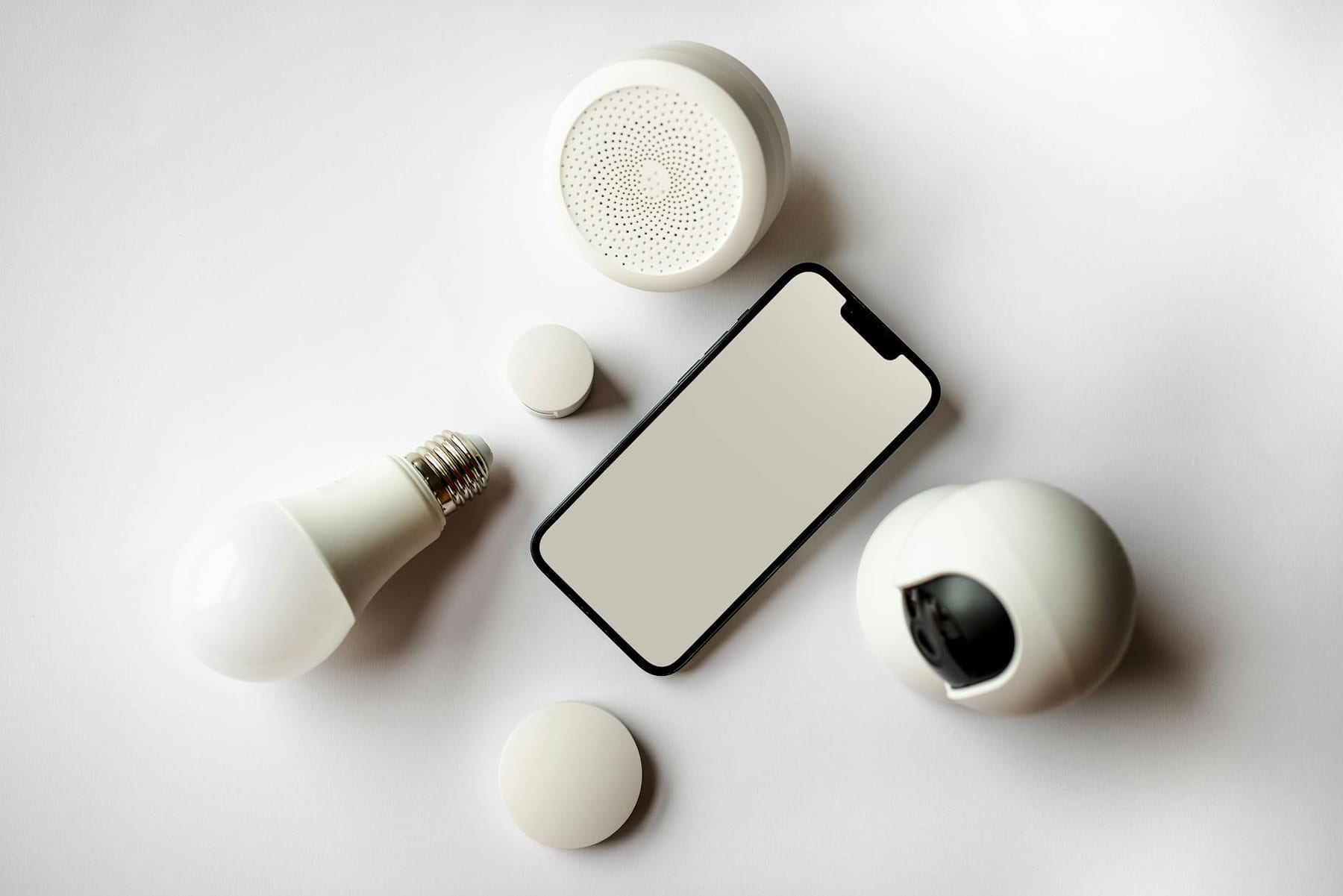
You don’t need a fully automated smart home to enjoy the benefits of connected devices. Starting small with a few key smart plugs, smart bulbs, and an entry-level smart speaker can make a real difference. The “Lumino” smart bulbs are consistently praised for their color accuracy and brightness, and they’re relatively inexpensive. Smart plugs from “ControlHub” are reliable and easy to set up - perfect for controlling lamps or appliances remotely. The biggest change I'm seeing is the increased adoption of Zigbee and Matter protocols. These standards are designed to simplify smart home setup and improve device compatibility. If you’re buying new devices, look for those that support Matter; it’ll make integrating them with your existing ecosystem (Alexa, Google Assistant, HomeKit) much smoother. Don’t get bogged down in trying to build a complex system - start with what you need and expand gradually.
Mobile Accessories - Protecting & Powering Your Phone
Let’s face it: your phone is your lifeline. Protecting it is a smart investment. Budget phone cases from brands like “ShieldGuard” offer surprisingly good protection at a reasonable price - you can find solid options for under $40. Screen protectors are a no-brainer, and you can get a decent tempered glass protector for around $15. Finally, portable chargers are essential for staying connected on the go. Look for a power bank with at least 10,000mAh capacity and fast charging capabilities; you can often find reliable options for under $30.
Gaming (Entry-Level) - Getting Started
Entry-level gaming isn’t about having the absolute latest graphics card. It’s about enjoying games at a playable frame rate. Cloud gaming services like Xbox Cloud Gaming and GeForce Now are making this increasingly accessible. You can stream games to your laptop or tablet without needing a powerful PC or console. For local gaming, the “PixelStreamer” controller offers a comfortable and affordable experience. VR/AR is also starting to dip into the budget range - the Meta Quest 3 Lite is a good entry point into the world of virtual reality, although you’ll need to factor in the cost of games.
Streaming Devices - Entertainment on a Budget
Streaming devices are the gateway to a world of entertainment. Roku, Chromecast, and Fire TV continue to dominate the market, but they all offer compelling options at different price points. Roku is known for its simple and intuitive user interface. Chromecast is fantastic for casting content from your phone or tablet. Fire TV integrates seamlessly with Amazon’s ecosystem. what helps most is to choose a device that supports the streaming services you use most and has a user interface that you find easy to handle.
Conclusion
Finding great tech doesn’t have to mean emptying your wallet. In 2026, there’s a huge range of affordable options available that offer excellent value for money. Don’t get caught up in the endless cycle of upgrades; focus on your needs and prioritize quality over brand names. A little research can go a long way - read reviews, compare specs, and don’t be afraid to explore less-known brands. The goal is to enjoy the benefits of technology without the financial stress.
Keep This Practical
The easiest way to avoid buyer�"s remorse is to define your must-haves before you shop. Once you know the one or two features that matter most, the decision usually gets much simpler.
Tools Worth A Look
The products here make the most sense when you want practical performance and fewer expensive regrets.
- Data-Ism: The Revolution Transforming Decision Making, Consumer Behavior, and Almost Everything ElseLogitech Creators Blue Yeti USB Microphone for PCAdvanced Consumer Psychology: Influencer Marketing (Simple Psychology)OEJBK I25 Ultra: Powerhouse 16GB/512GB, 2-Day 7000mAh Battery, Huge 6.99" Android 14 Phone w/Built-in Stylus - Your All-in-One DeviceDigital Makeover: How L'Oreal Put People First to Build a Beauty Tech Powerhouse
Some of the links on this page are Amazon affiliate links, which means I may earn a small commission if you make a purchase through them. As an Amazon Associate, I earn from qualifying purchases.
Related ReadingMore from The Tech Shelf

Smart Buys: Your Tech Wishlist
Use smart buys: your tech wishlist as a clearer framework for sorting through the tradeoffs, priorities, and next steps that matter most.
Tech on a Budget: Simple Starts
is easier to make sense of when you break it down into the part that matters most first. Instead of chasing every option at once, it usually helps to focus on what.

Budget Tech: Your Spring Checklist
Level Up Without Breaking the Bank: Your 2026 Budget Tech Checklist Feeling like you’re constantly chasing the newest gadgets? You’re not alone. It’s easy to get.